


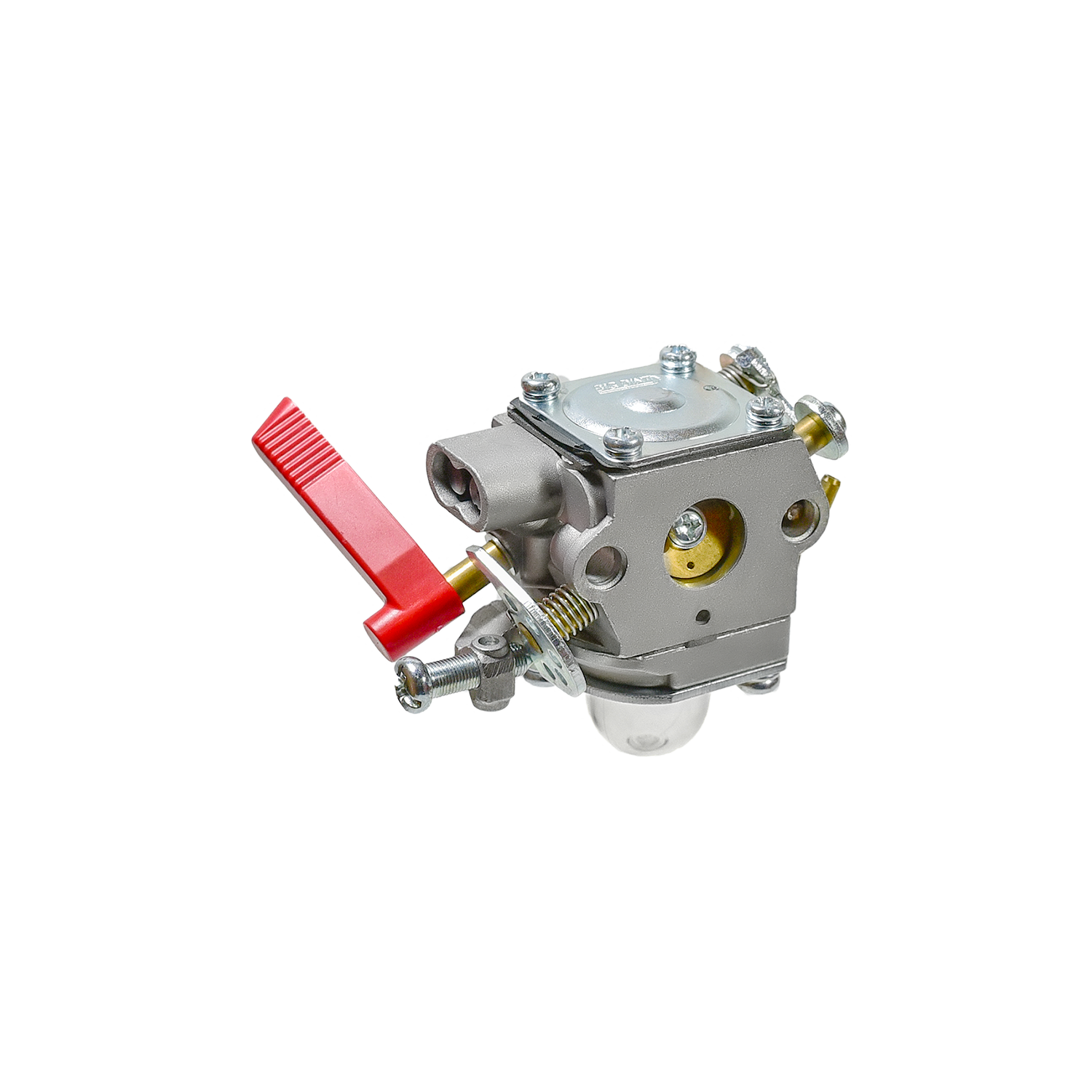
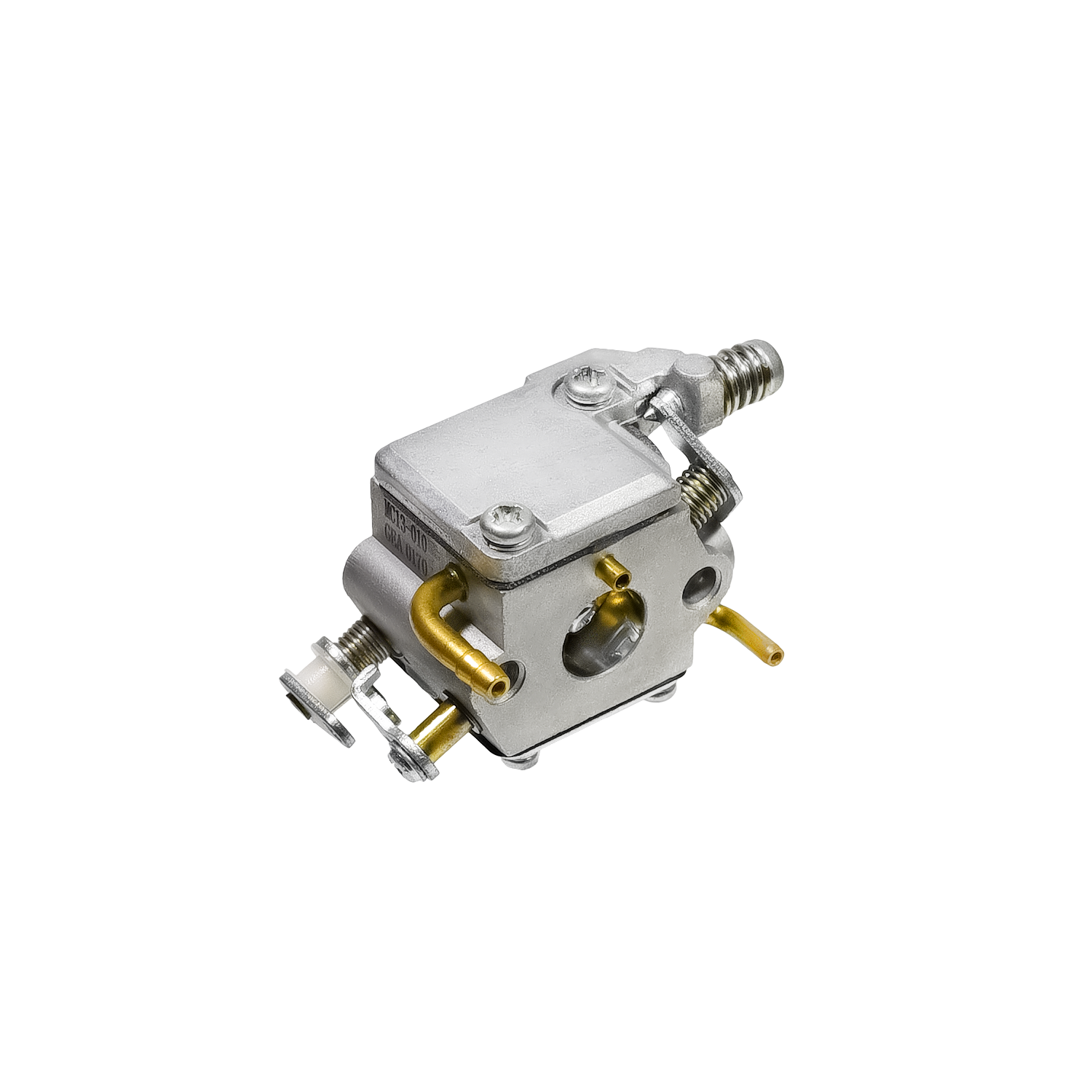
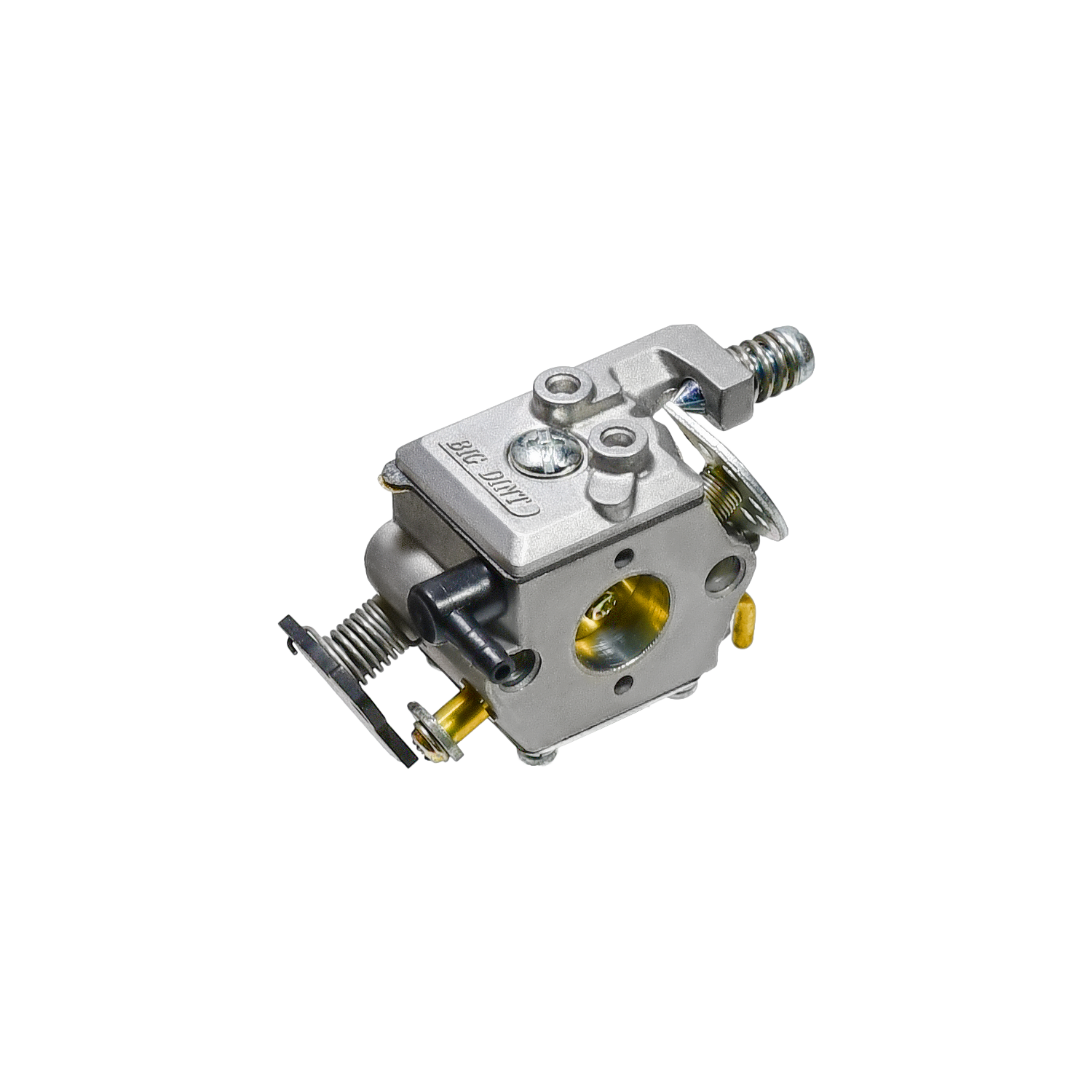
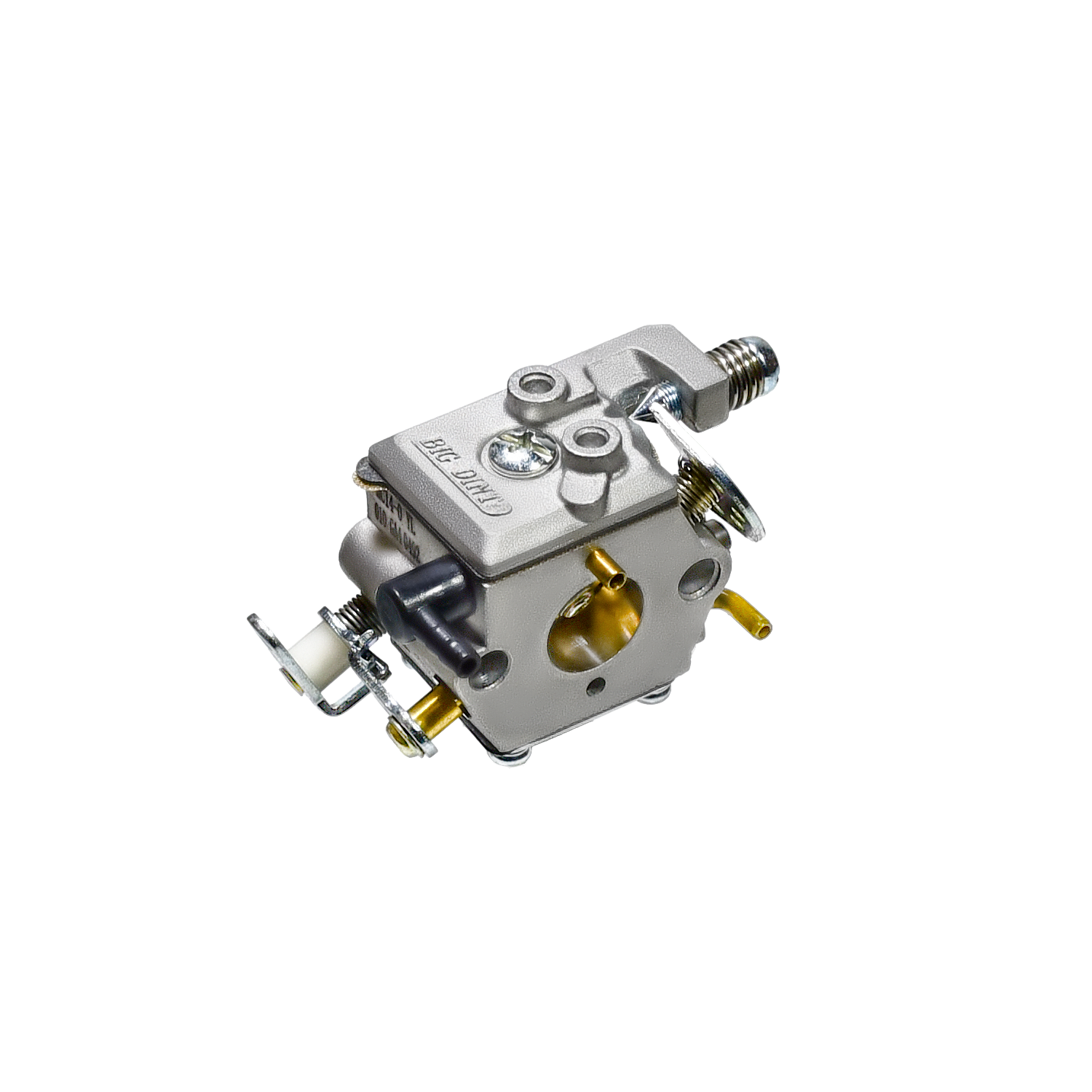
MC16-D30 chainsaw carburetor
Classification:
Key words:
这里是占位文字
这里是占位文字
这里是占位文字
这里是占位文字
这里是占位文字
这里是占位文字
Key words:
MC16-D30 chainsaw carburetor
Product Description
Product model: MC16-D30
Usage: Gasoline chainsaw
Displacement: 45cc/52cc
Applicable models: 1E45F/1E52F
Basic parameters of the carburetor
Mixing chamber diameter: Ø15.85
Venturi diameter: Ø13.5
Engine center distance: 31
Basic structure description: Linkage structure, return oil structure, anti-tampering structure
Chain saw carburetor is a vital component that ensures optimal fuel delivery and engine performance for all types of chainsaws. Designed with precision engineering, it provides smooth throttle response, efficient combustion, and reliable operation under various working conditions. High-quality materials and advanced manufacturing processes enhance durability and reduce maintenance needs. Whether for professional forestry work or home gardening, a premium chain saw carburetor improves cutting efficiency, reduces fuel consumption, and extends the lifespan of your chainsaw. Trusting a reliable carburetor ensures your chainsaw performs consistently, delivering power and precision with every cut.
The complete device of the carburetor should include a starting device, an idling device, a medium load device, a full load device, an acceleration device, etc., to meet the needs of the engine in different working conditions. The air from the outside enters the carburetor after being filtered. The amount is controlled by the change of the choke position. The air rushes through the throat in the carburetor to create suction, sucking the fuel from the float chamber through the nozzle and atomizing it. The atomized fuel and air are mixed and sucked into the cylinder through the intake manifold. The intake of the mixture is controlled by an accelerator pedal, which is controlled by the accelerator located in the carburetor. The amount of oil pumped into the float chamber by the gasoline pump is controlled by the float in the float chamber. The float rises and falls with the amount of oil in the float chamber. When the float chamber is full of gasoline, the float floats up and uses its needle valve to block the oil inlet.
Previous Page:
Next page:
Previous Page
Next Page
Related Products

Fujian Dali General Electromechanical Co., Ltd,.
Service Hotline
Address: 1006 Wenzhou Avenue, Lantian Industrial Zone, Shanqian Street, fuding city, Fujian Province
Contact Us
©2024 Fujian Dali General Electromechanical Manufacturing Co., Ltd. PowerBy:300.cn | Business License SEO Tags